Monaco is the second smallest country in the world and the most densely populated. Its Formula One race runs through ordinary public streets, closed for the weekend.
Monaco is a sovereign principality on the Mediterranean coast, wedged between France and the sea, and it covers 2.08 square kilometres. Only the Vatican is smaller. The Grimaldi family has ruled since 1297, which makes it the longest-serving reigning house in Europe, and the current head of state is Prince Albert II.
The country shares one land border, with France, and it has no airport, no railway station of its own beyond a single underground stop, and no farmland. Everything arrives through French territory. Monaco is not a member of the European Union, yet it uses the euro, sits inside the Schengen Area through its customs union with France, and applies French border rules at its port and heliport.
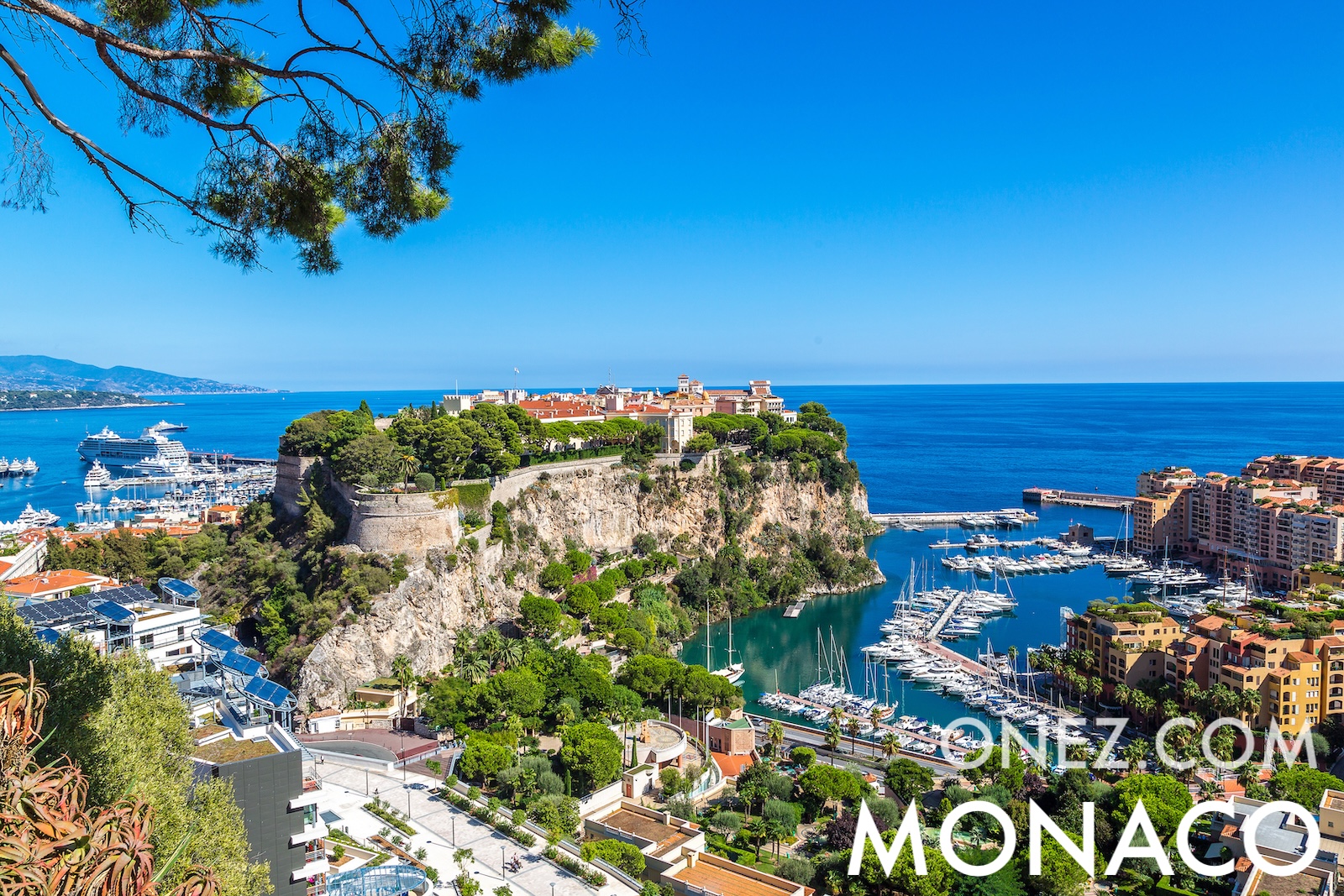
Four quarters divide the territory. Monaco-Ville sits on a rock 60 metres above the sea and holds the Prince's Palace, the Cathedral and the government buildings. La Condamine surrounds Port Hercule and holds the market and the older commercial streets. Monte-Carlo holds the Casino, the grand hotels and most of the luxury retail. Fontvieille is built on land reclaimed from the sea in the 1970s and holds the second port, the stadium and the heliport. Moneghetti, part of La Condamine, is often counted as a fifth quarter.
Two things make Monaco unusual beyond its size. It charges residents no personal income tax, a position it has held since 1869, and it draws roughly 39,000 residents into a space that produces the highest population density on Earth. Around one resident in three holds significant wealth, and Monégasque nationals are a minority in their own country.
The sections below cover Monaco in detail, from how residence works to what the economy actually produces.
Monaco
Monaco residency
Monaco taxes
Cost of living in Monaco
Visiting Monaco
Monaco economy
History of Monaco
Monaco Grand Prix
The French Riviera
Low tax countries